Knowledgeable
HVP is astonishingly easy to use, but behind the scenes it’s the result of decades of research. In our knowledge base, we’ve summarized the fundamentals — the how, what, and why — in a clear and understandable way. On top of that, there’s interesting background on the man who founded value science: Robert S. Hartman …
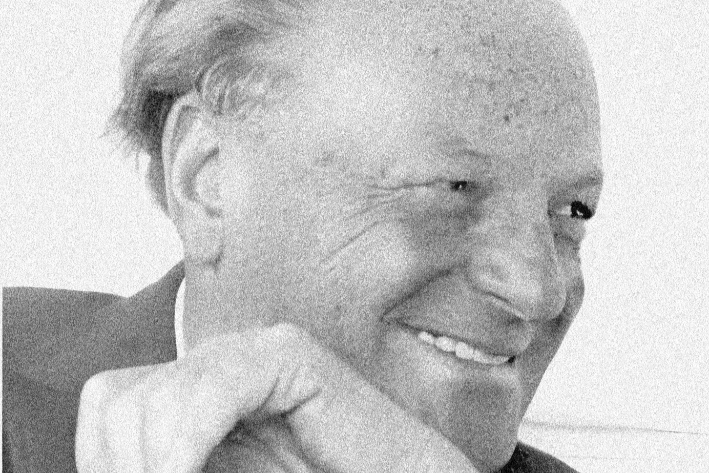
The Man Who Made Goodness Measurable
He fled the Nazis with a fake passport, built up Walt Disney’s European business — and later created a science that made “the good” measurable. Robert S. Hartman was a philosopher, logician, adventurer. His idea: If we can capture values precisely, we understand better how people think, feel, and decide …
Axio-what, please?
Axiology sounds awkward, almost like a foreign word from a university lecture. In reality, it describes something we all do every day: we evaluate. People, things, ideas — we constantly make value judgments. Robert S. Hartman turned this into the “science of values” …

The Hartman Value Profile
There are many personality tests. But most of them ask: “What are you like?” — and you tick whatever feels right in the moment. The problem: it’s easy to present yourself as better than you really are. The Hartman Value Profile (HVP) takes a different approach. It doesn’t measure who you are, but how you think. A crucial difference …
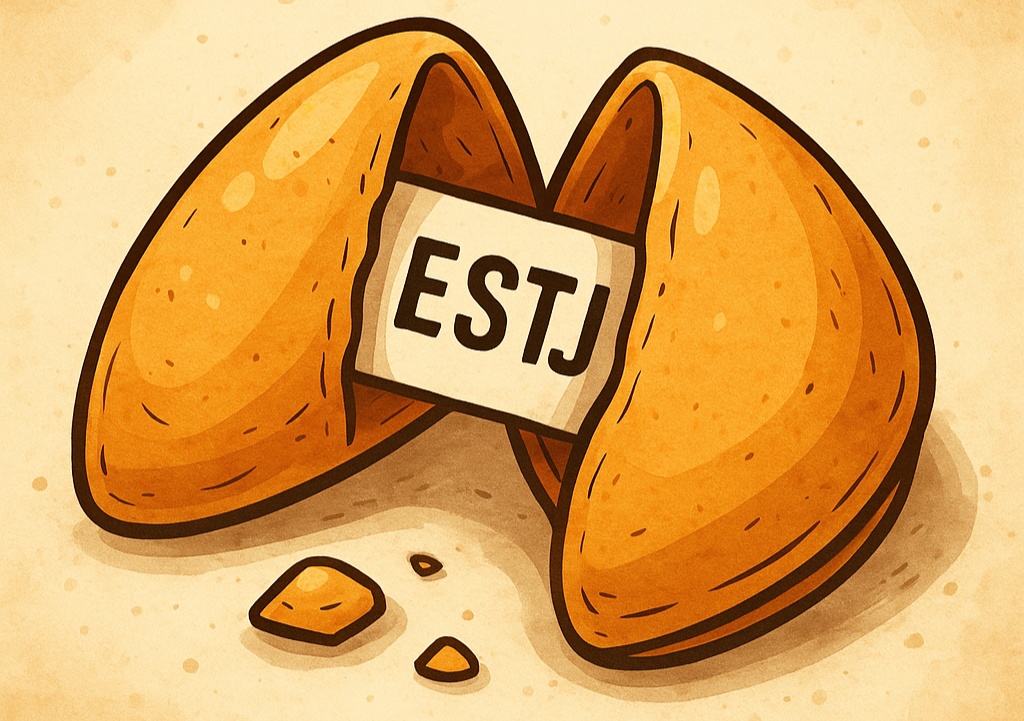
“Not better than a fortune cookie”?
The Hartman Value Profile isn’t the only personality test out there. The Myers–Briggs Type Indicator is among the best known — but critics say the MBTI’s popularity is more the result of clever marketing than scientific strength. Let’s take a closer look …

Validity, reliability, fairness
Can you trust a personality test that makes statements about how clearly we think, decide, and feel? Behind the Hartman Value Profile there aren’t just big words, but a whole battery of studies. Here’s an overview of the key claims …